
Home
Services
Blogs
Properties
About us
Who We Are
Contact us

View our Info Hub
UPDATED ON 18 FEBRUARY 2026
New Gurgaon vs Old Gurgaon: Where Should You Invest in 2026?
It's usually framed as a simple better-or-worse question. It isn't — the two halves of the city serve genuinely different buyers.
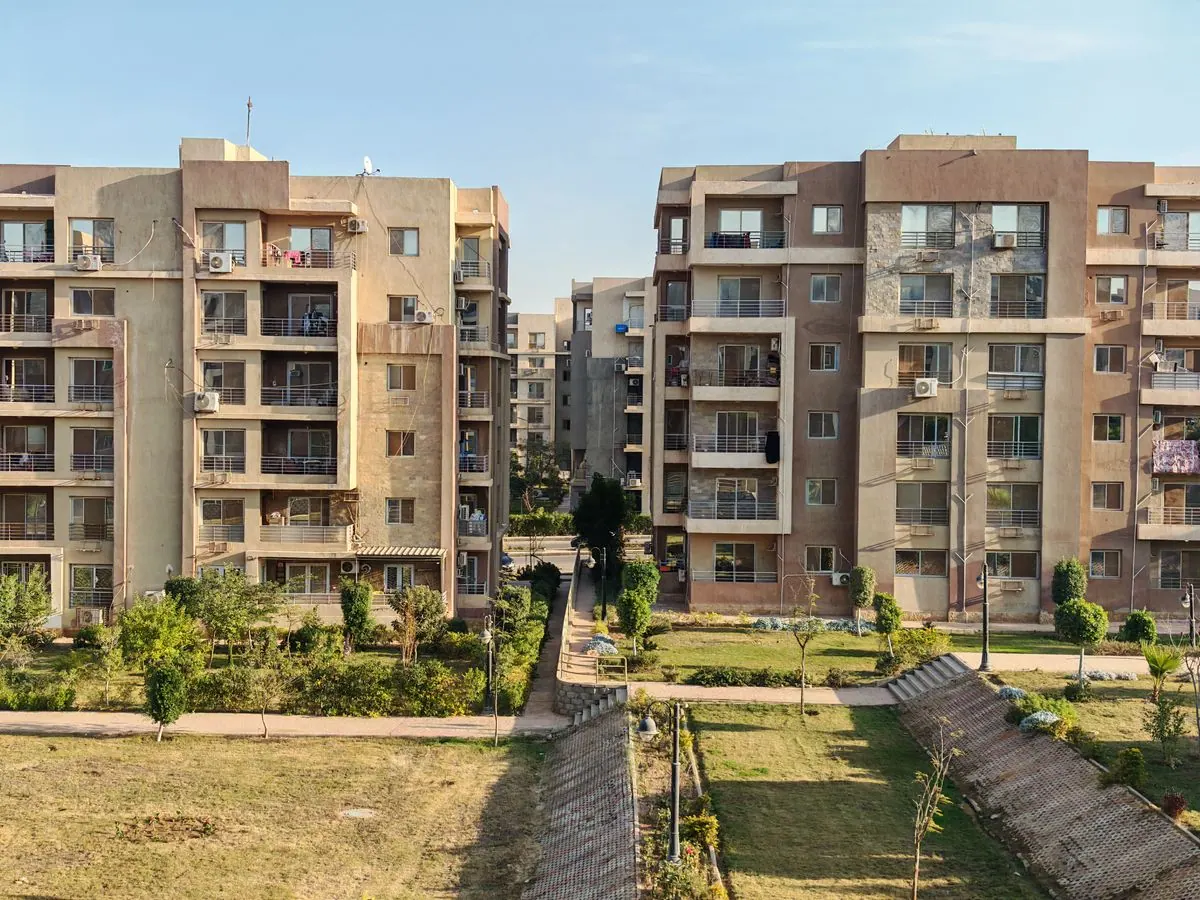
"New Gurgaon vs Old Gurgaon" comes up in almost every buyer conversation we have, and it's usually framed as a simple better-or-worse question. It isn't. The two halves of the city serve genuinely different buyers, and the right answer depends on what you're trading off — price versus infrastructure, or growth potential versus certainty.
Defining the Two Halves
Old Gurgaon broadly covers the originally developed parts of the city — MG Road, DLF Phases, Golf Course Road, Sushant Lok, and the surrounding established sectors. New Gurgaon refers to the newer belt, primarily Sectors 79 through 95-plus, developed over the last decade-plus along the Southern Peripheral Road, NPR, and Dwarka Expressway corridors.
Infrastructure: The Core Trade-Off
Old Gurgaon has decades of built-out infrastructure — established schools, hospitals, markets, metro connectivity, and a mature social fabric. New Gurgaon is still completing this build-out; residential supply in several New Gurgaon sectors has outpaced social infrastructure, meaning schools and hospitals are arriving but haven't fully caught up everywhere yet. That gap is exactly what shows up in the price difference between the two halves.
Price and Value
New Gurgaon is, sector for sector, generally the more affordable entry point into the city's branded real estate market — a big part of why it's attracted so much first-time-buyer and investor interest. Old Gurgaon commands a premium precisely because you're paying for infrastructure that already exists rather than infrastructure that's still being built.
Connectivity
Old Gurgaon benefits from established metro access (the Yellow Line and Rapid Metro network) and proximity to the city's original commercial districts. New Gurgaon's connectivity has improved substantially with the Dwarka Expressway and NPR, but metro access in several New Gurgaon sectors is still less direct than in the older core, meaning residents lean more heavily on private vehicles for daily commutes.
Supply and Construction Standards
Because Old Gurgaon is largely built out, new supply is limited — most transactions here are resale rather than fresh launches. New Gurgaon, by contrast, has been where most large-scale new development has happened in recent years, which means more choice, more modern floor plans and amenities, but also more variance in developer quality since so many players have launched here in a compressed window.
Which One Fits Your Situation
| Priority | Better Fit |
|---|---|
| Immediate access to established schools, hospitals, workplaces | Old Gurgaon |
| Lower entry price, more room for appreciation | New Gurgaon |
| Newer construction, modern amenities, larger floor plans | New Gurgaon |
| Metro-first commuting without relying on a car | Old Gurgaon |
| Long investment horizon (5+ years), higher risk tolerance | New Gurgaon |
| Buying to move in now, want certainty over potential | Old Gurgaon |
The Bottom Line
Old Gurgaon sells certainty — you know exactly what you're getting because it's already built. New Gurgaon sells potential — lower prices today in exchange for betting that infrastructure and social fabric catch up to residential supply over the next several years. Neither bet is wrong; they're just different bets, and being honest about your own timeline and risk tolerance is what actually determines which side of the city makes sense for you.
Fynest Take
New Gurgaon and Old Gurgaon reward different strategies — established infrastructure versus growth potential. Neither is automatically the better investment; it depends on your time horizon and how much uncertainty you're comfortable holding.
Trending Articles
View our Info Hub

Senior Living in India: Why It’s No Longer Just About Retirement

Oberoi Realty’s First Luxury Address in Gurugram: More Than Just Another Launch

Max Estate 360: A New Perspective on Luxury Living in Gurugram
Take the first step to financial
freedom and contact us today
Our team is ready to take you through every step of a successful property investment journey.
Make your move!

Join our
Community